The Curse Of Salem's Lot (1979): Tobe Hooper's Soap Opera Facade Hides Feral Horror
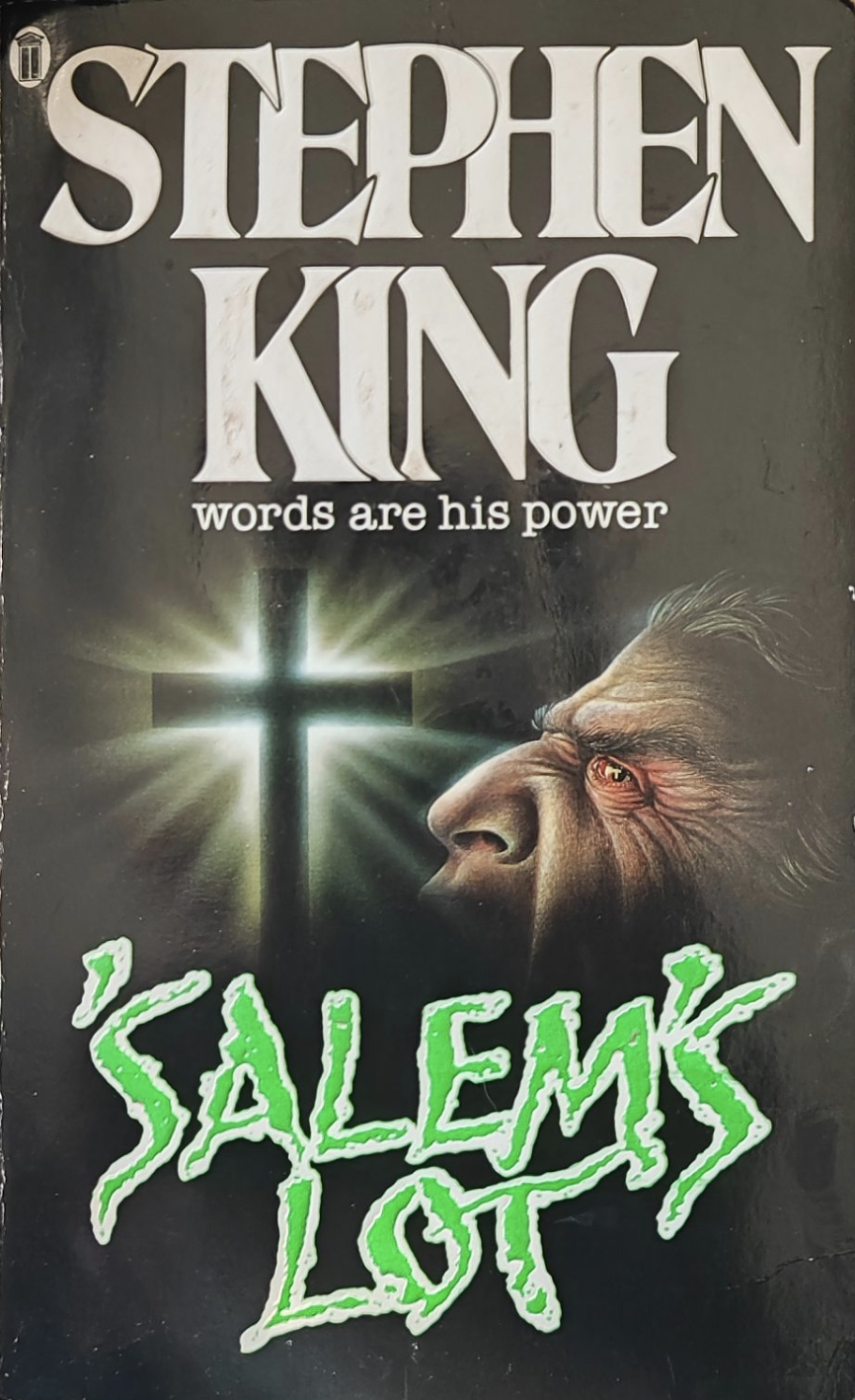
There has never been a truly great adaptation of Salem's Lot. King's second published novel holds a very special place in my heart. I find it one of his best efforts, lacking the cocaine-fueled bloat of later works and sticking the landing where most of his endings feel so unsteady. Conceptualized as Peyton Place with vampires, the tale of author Ben Mears' unfortunate homecoming grafts King's talent onto Stoker's bones, making for a vicious bloodsucker. There have been three adaptations, all of them originally intended as a TV series, two of them abridged (The 1979 series available as a feature-length , the 2024 release mutilated into the vague shape of a film). The 2004 mini-series is a product of its time (Non-complimentary), while the 2024 "movie" has very brief moments that compel (Mainly visual: The vampires, glowing crosses) but is so structurally butchered that it can't be objectively reviewed. So lets delve into Tobe Hooper's tale of vurdalak, and the spell it cast on me.
In a small Central-American church, a man and a boy watch as the holy water they gather begins to glow with an eerie phosphorescence. The unholy that they fled has caught up to them, but this time they intend to stand and fight. Two years prior, the pair led very different lives. Ben Mears was a successful author, having returned to his hometown of Salem's Lot with the intent of writing about the infamously haunted Marsten House. Mark Petrie was a bonified monster kid, enjoying an adolescence devoid of true flesh and blood-less horrors.
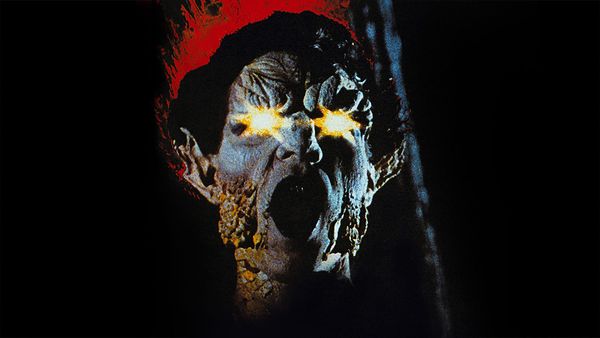
Two newcomers shattered those futures, their arrival in Jerusalem's Lot almost synchronous with Ben's. Alleged antique dealers, they wore the names of Barlow and Straker. The latter served the former, stronger than a human yet devoid of soul. The former was a death's head with eyes that shone like immolated jaundice, and a will governed only by Satan. The true vocation of these men was human blood, and their intent was to harvest Salem's Lot till every drop had been accounted for. Before they were through, Ben would lose his lover, Mark would lose his innocence, and Salem's Lot would become an abattoir.
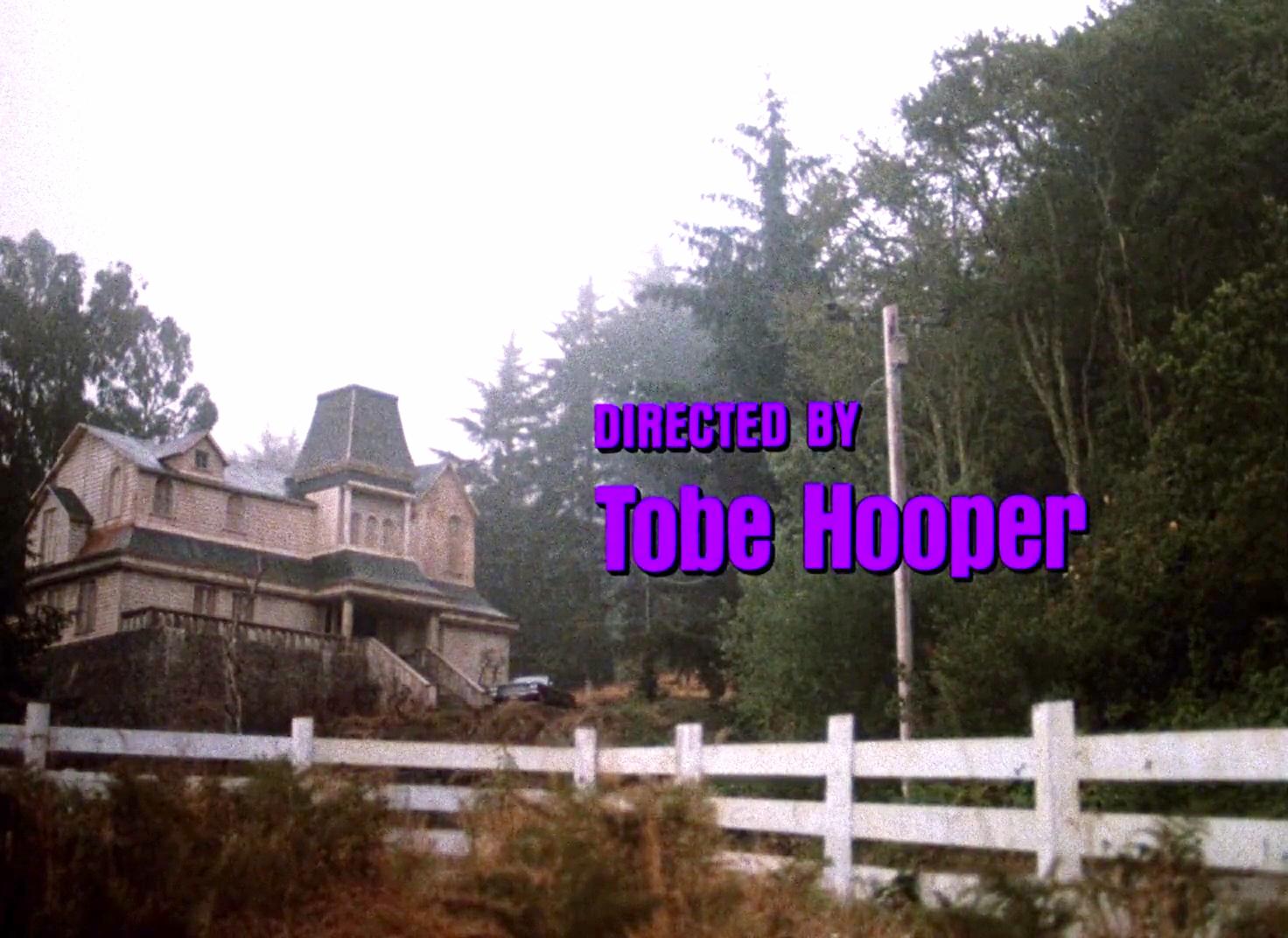
I've rewatched Salem's Lot many times, and my most recent was when I finally found synchrony with the film. I was practically indignant on my first watch. The film abridges many events, and composites characters to streamline the text into an effective visual medium. King's sprawling character study was precisely why I loved the book, and I felt it had been shredded to ribbons. I was also baffled by the fact that Tobe Hooper had engineered such a visually conventional film. The man behind the sun-razed hellscape of Texas Chainsaw Massacre, and the black bayou fathoms of Eaten Alive had made a movie that looked like a soap. The vampires, who arrived like living nightmares, seemed almost alien to the rest of the cinematic world. Having that outlook, I was missing the very point.
Tobe Hooper's vampire tale is in fact, a perverted soap opera. Peyton Place was King's inspiration, and Hooper fills Salem's Lot with soft lighting and banal human drama. There's a lot more texture to King's characters ,but that's mostly information learned through internal dialogue. Left to interpret the text, Hooper presents what happens without the beauty of that prose: A meet-cute, a workplace affair, the mundane responsibilities of a high school English teacher. My initial criticisms of these elements aren't fully unfounded. There's some undeniable moments where gravitas hits like overcooked melodrama. However, then come the vampires.
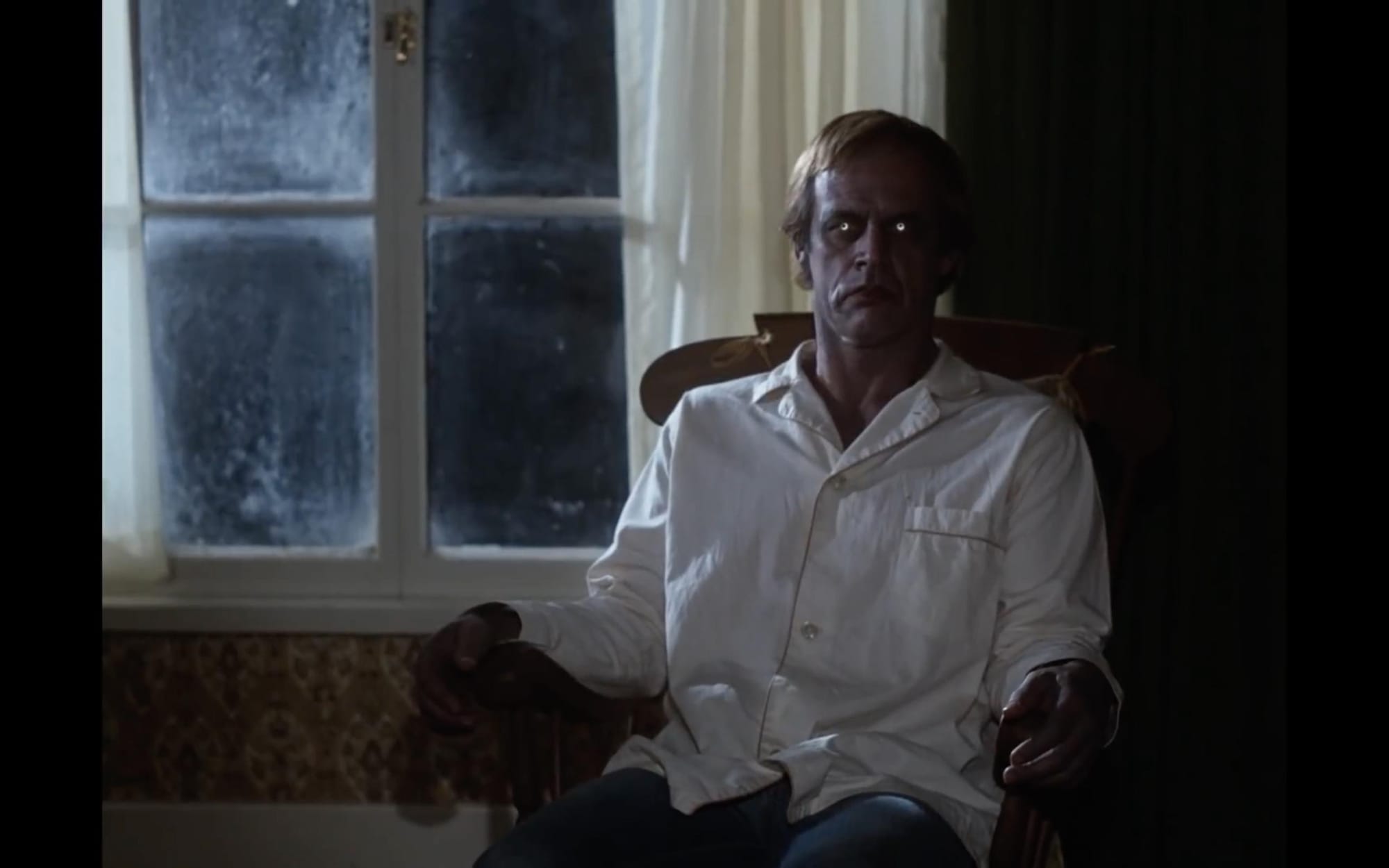
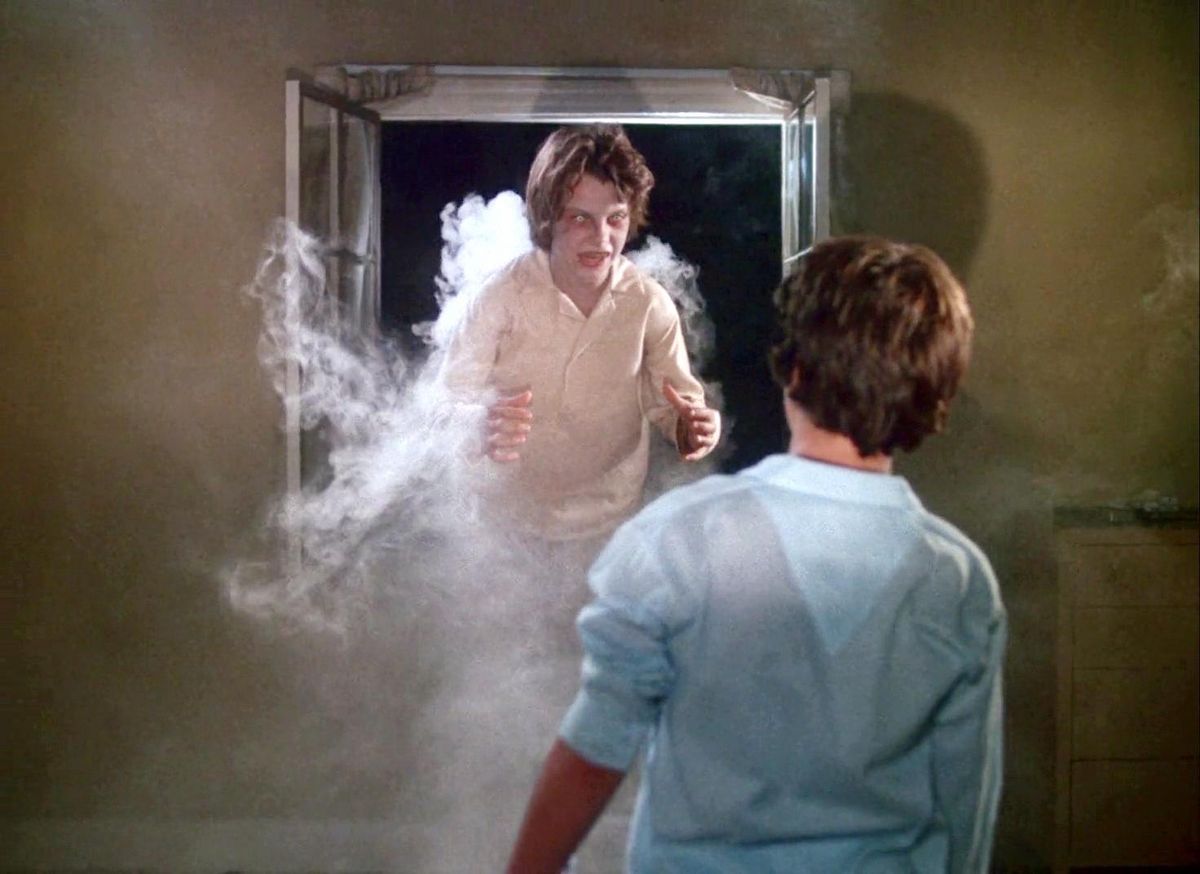
Spoken into being by the Cognac smooth voice of James Mason's Straker, they are horror incarnate. These things coalesce out of smoke and rise beneath shrouds, unnerving in a way that warps the celluloid around them. Mark Ryerson's husk sits in a rocking chair, looking out of the screen with amber eyes that promise you will sleep like the dead, and you believe him. None have the impact of Kurt Barlow. Portrayed with feral violence by Reggie Nalder (Mark Of The Devil), he feels like something a child-mind would concoct from seeing a split second of Nosferatu. A momentary glance that a fertile mind would transform until it was an abomination capering around the borders of sanity. While King's Barlow speaks, Hooper's creature is beyond words, growling and gibbering as if his evil has transcended language.
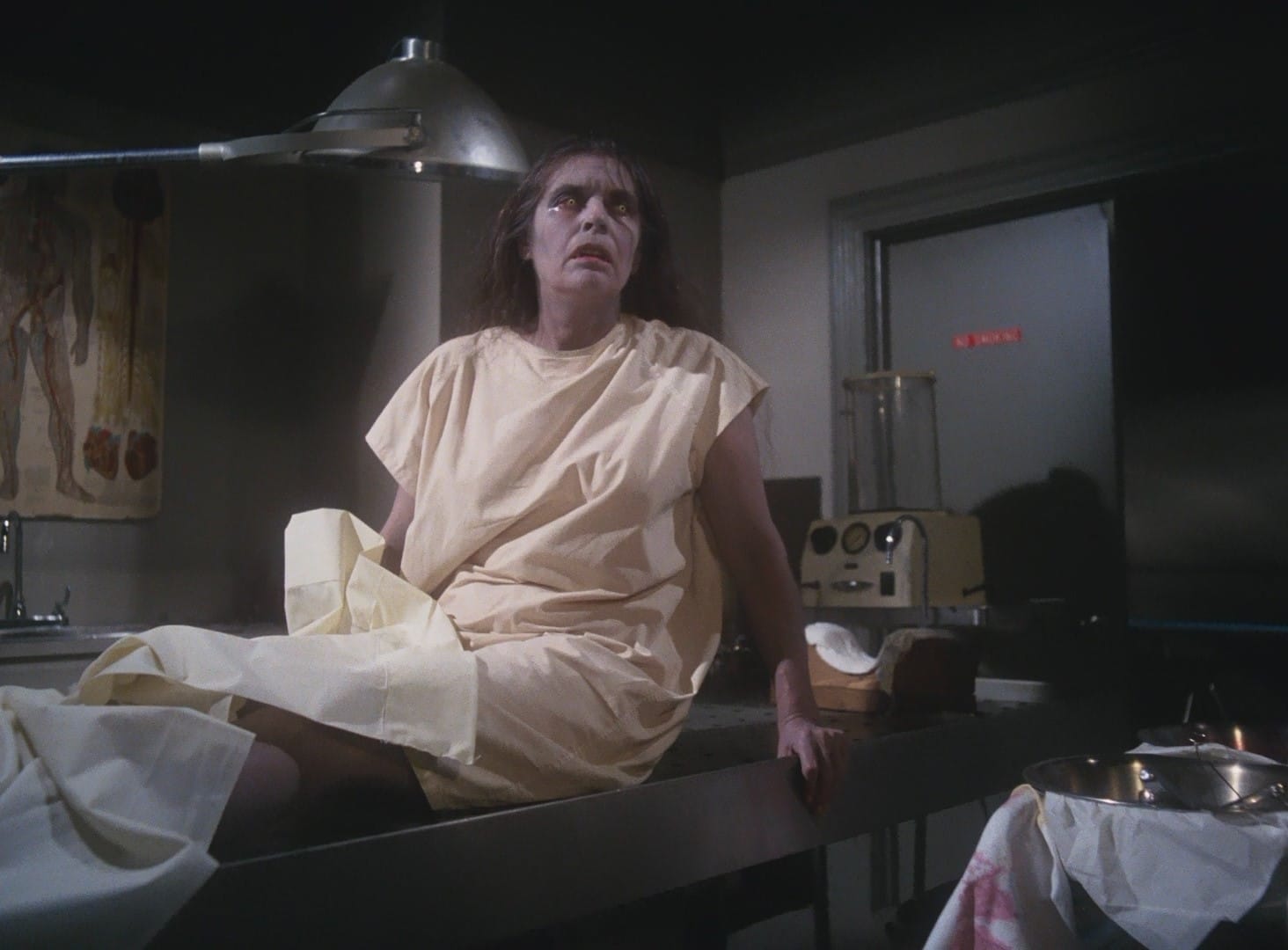
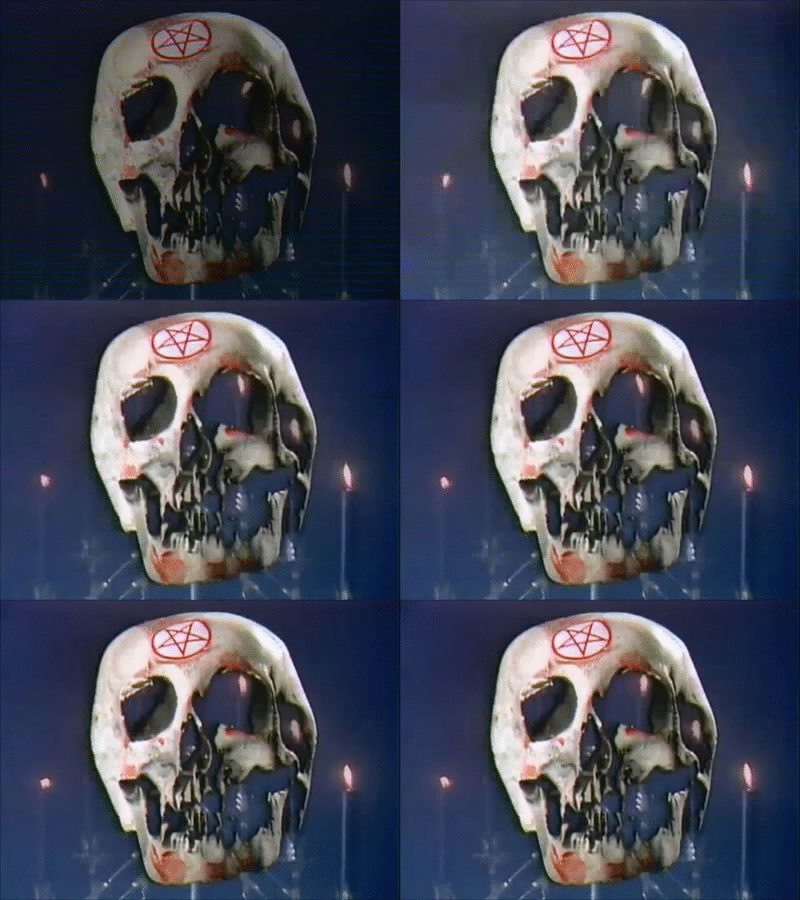
As the vampire plague grows, these aberrations becomes more frequent until they are they are the only reality you know. In that endless night a coffin opens, and living skull stares out at you, eyes like immolated jaundice, and the promise of endless death.
-Dr. Benny Graves