INFERNO (1980) Understands The Clandestine Language Of Witchcraft
Every craft has its language, from medicine to magic. Knowledge gives that language context, which infuses it with power. In INFERNO, our protagonists live outside that knowledge. They enter blind into a world of black sorcery, unprepared for the violence of its adepts. That's the true the secret to INFERNO, outside of the one that can be found under the soles of your shoes.
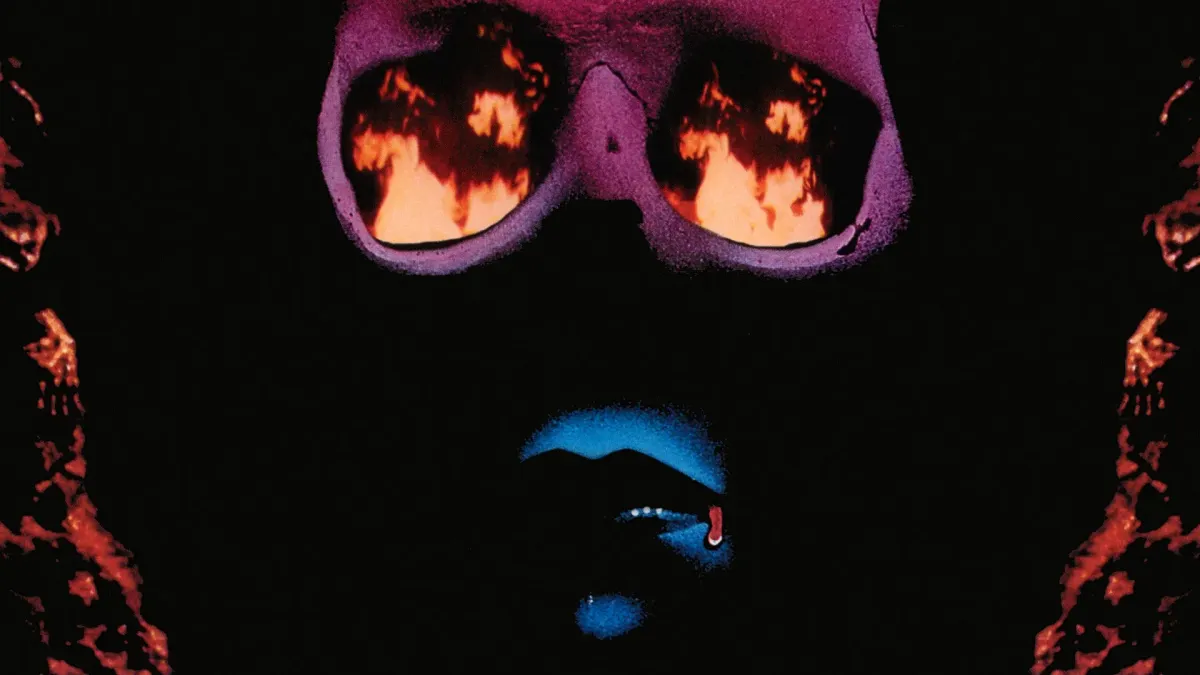
Once upon a time, an alchemist named Varelli built three homes for three powerful witches. One in Freiburg for the Mother of Sighs, one in Rome for the Mother of Tears and one in New York, for the Mother of Darkness. A poet named Rose Elliot begins to suspect she lives in the edifice built for Mater Tenebrarum, recruiting her brother into her investigation. But the siblings have trespassed into a clandestine world, and there will be consequences for playing with unholy fire.
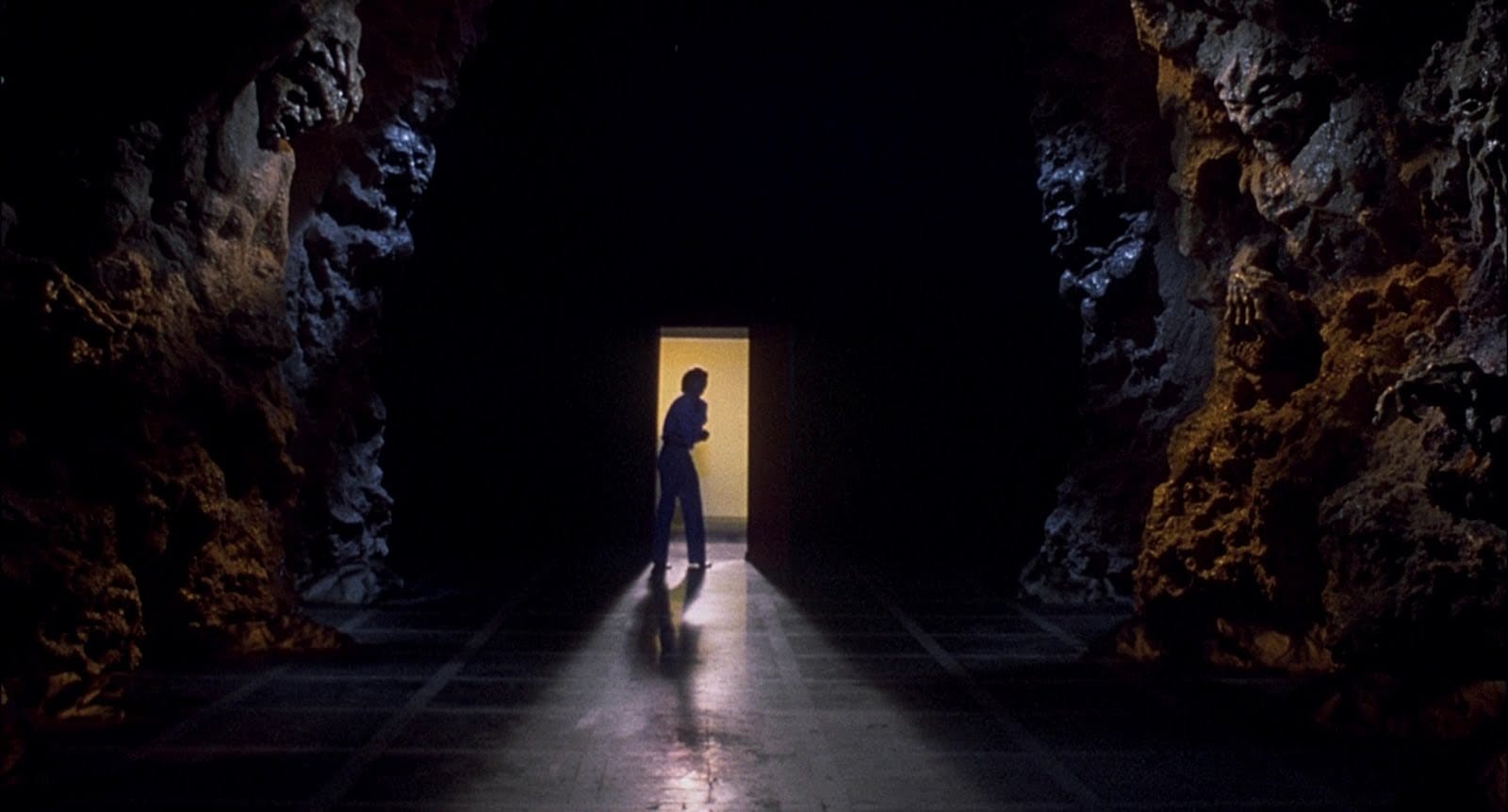
Argento famously regards INFERNO as his most challenging film, having directed it while battling a severe case of hepatitis. Writer and long-time confidante Daria Nicolodi went it it cautiously, asking only that her work to speak for itself after having fought tooth and nail to have Suspiria earn its due. As if that wasn't lore enough, William Lustig was production coordinator, and Mario Bava contributed various stylistic elements. A coven-count of brilliance shaped this horror. The soundtrack makes a pivot from Simonetti and his gang to that Emerson of Emerson, Lake and Palmer. The compositions are operatic and peppered with fevered synth lines, a grand guignol of violent rituals.
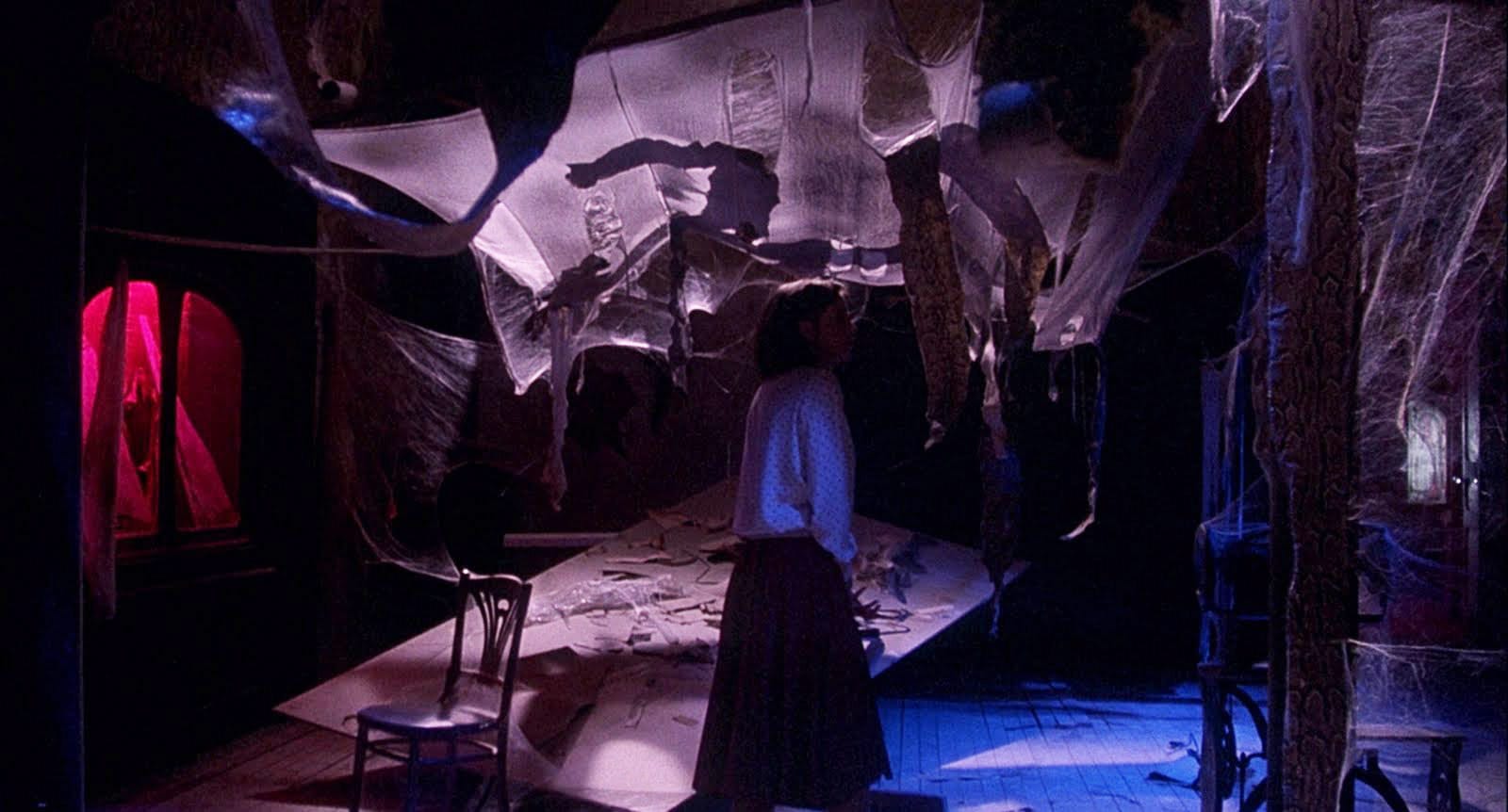
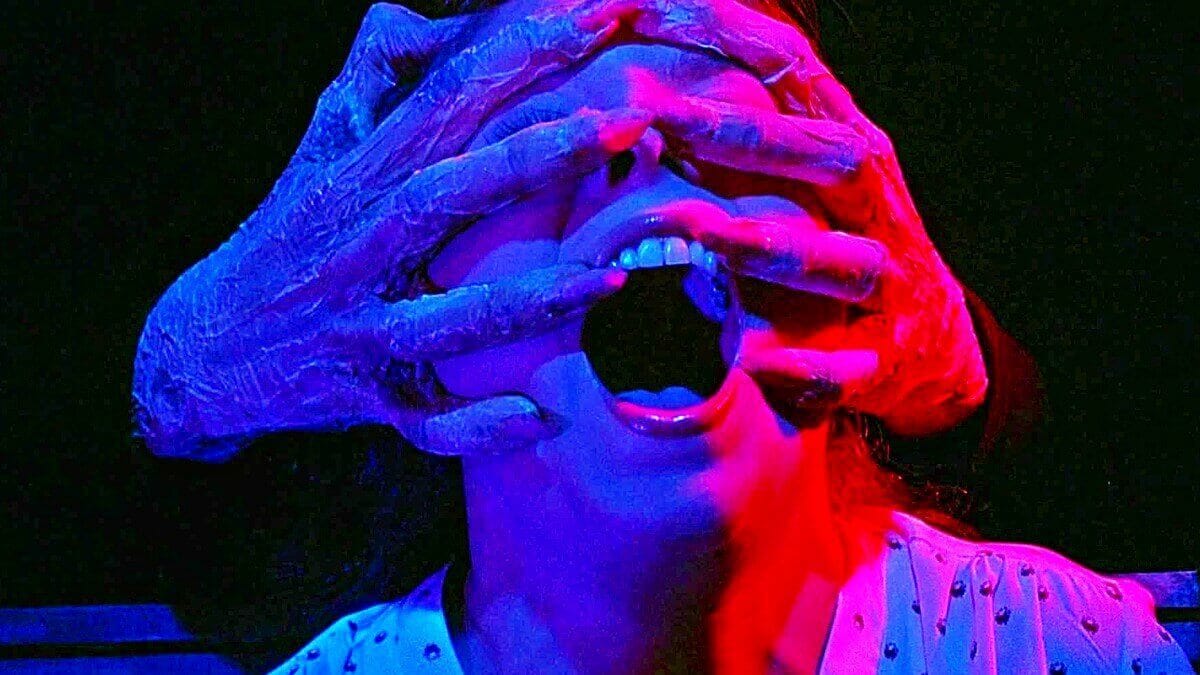
I feel the same way about Suspiria relative to Inferno, as I do about Dawn Of The Dead and Day Of The Dead. When I was younger, I found Suspiria and Dawn to be superior. They delivered on their promises explicitly, and without residue. After many rewatches, Day and INFERNO prove that their after-images hold more magic than I could have imagined. In the case of INFERNO, Argento understands that the dances of Germany are very different than those of New York. There's a faster and more callous violence to the witchery in the Big Apple, a fevered pace that parallels the sleepless city. While Suzy Bannion was somewhat ignorant of the machinations around her, Rose and Mark feel even more removed. Their exploration of the witch house is a half- remembered dream, a room seen while underwater where decaying corpses wait to float into reality.
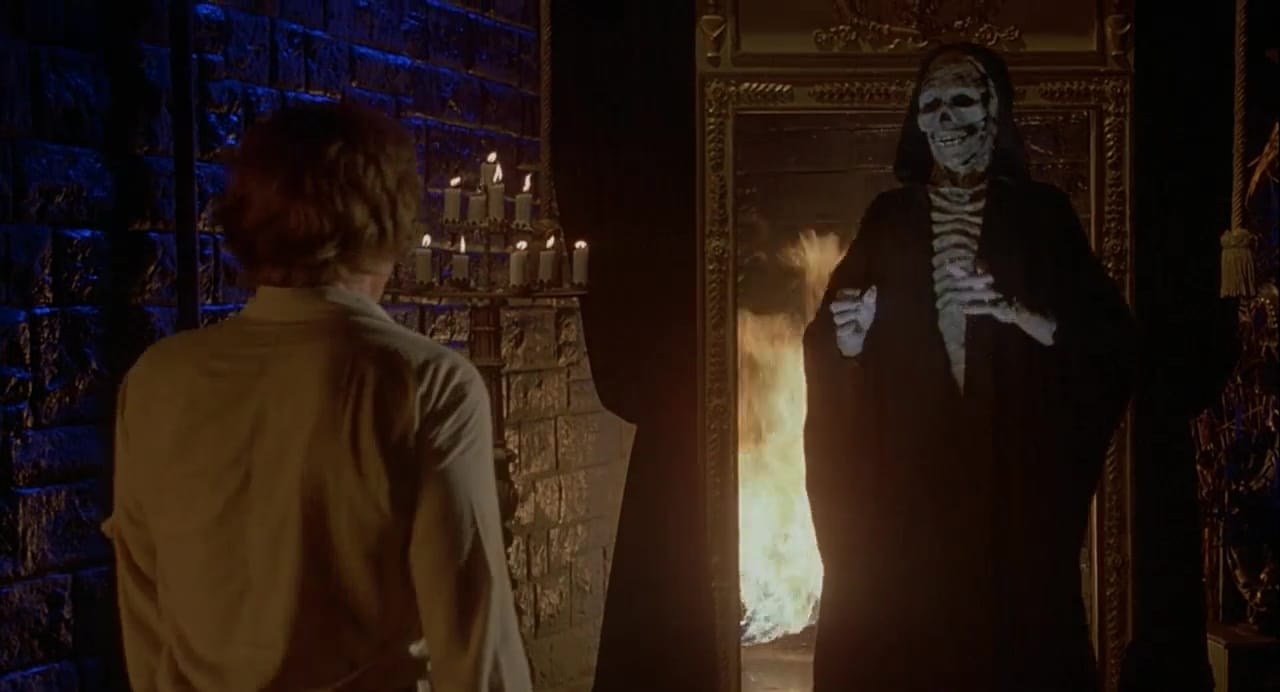
There's ritualistic kinship to Suspiria: Both start with storm and end with conflagration, use familiars as methods of violence and have our protagonists escape by what amounts to blind luck. There's more but it's the differences that seduce me. The infusion of false-faced tenants prays to the altar of Rosemary's Baby, and the corrupted Lavishness of the Mother's quarters bleeds Bava from every lighting gel. In the bowels of the building we meet a mechanically-voiced Varelli, prisoner to his own creation. We learn little of the alchemist who served witches, and it's what we don't know that sticks with us. It's the spaces between that cast the spell.
-Dr. Benny Graves